SUBSCRIBE TO OUR NEWSLETTER
Get the latest updates on new products and upcoming sales
USA Support
Explore all produce packaging supplies
Choosing produce packing and labeling machinery starts with your product, packaging format, and daily workload. Labeling individual apples is a different task from labeling berry clamshells or sealing shipping cartons. The right equipment must fit both the job and the way your team works.
Discuss your application with American Price Mark before selecting equipment. Tell us what you pack, how you label it, and where your current process slows down so we can discuss suitable options and availability.
Tell us your product, production rate, and existing equipment. Call 800-537-5310 or send your requirements online.
Request a Free Quote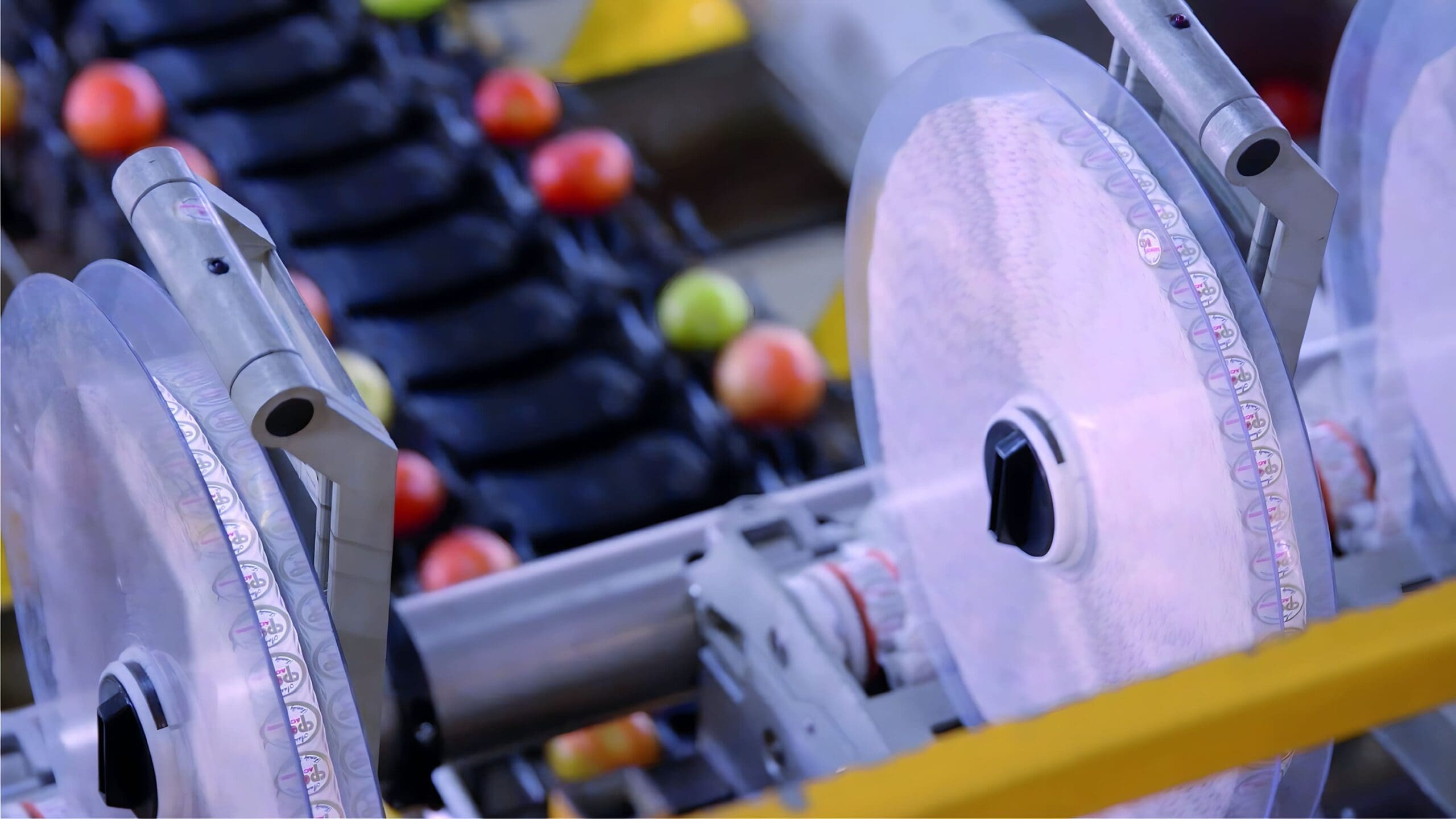
Individual produce labeling requires attention to product size, shape, surface, and presentation. For an automated line, a supplier needs to understand how the produce travels past the labeling point, how consistently it is spaced, and the range of operating speeds. A machine that suits one fruit or conveyor arrangement may not suit another.
Packaged produce introduces different questions: where should the label sit, is the package surface flat or curved, and does the label need to bridge a lid? Include photographs of the package and intended label position when requesting equipment advice. If you print variable information, specify what changes between runs, such as the product name, lot information, or barcode.
For outer cartons, consider box dimensions, loaded weight, closure method, and required label location. Explain whether boxes arrive at the station in one size or several sizes throughout the shift. Identify whether the bottleneck is printing, applying labels, closing cartons, or moving finished cases to a pallet.
Handheld applicators can support operator-led work, but they are not the same as an automated packing-line machine. Powered or integrated systems require a closer review of throughput, package handling, space, and installation requirements. Compare the complete workflow rather than selecting equipment on a headline speed alone.
Record actual output during a typical shift, including changeovers, refilling, and stoppages. That gives a more useful starting point than a peak production target with no allowance for interruptions.
Labels and application equipment should be evaluated as a system. Before ordering either, confirm label dimensions, roll core size, maximum roll diameter, winding direction, label spacing, and liner requirements with the equipment supplier. If you already use a printer or applicator, provide its exact model and current roll specifications.
For labels applied directly to produce, ask the label supplier to confirm suitability for the intended fruit or vegetable and handling conditions. For packaging labels, describe the material and whether application takes place on a dry, chilled, or condensation-prone surface. Sample testing helps identify issues before a full production order.
Describe temperature, moisture exposure, cleaning procedures, and space at the installation point. Ask the manufacturer to confirm the proposed model suits those conditions. Review power and compressed-air requirements, operator access, guarding, maintenance access, and how the equipment connects with the rest of the line.
Ask about operator training, replacement parts, consumables, service arrangements, and changeover procedures. These details matter when comparing the ongoing demands of different systems.
Provide the smallest and largest products or packages you expect to process, along with how often the format changes. Ask which adjustments operators can make, whether change parts are required, and how settings are recorded for repeat runs.
A demonstration with a uniform sample may not represent your full workload. Include representative variations in product presentation, package size, and label position when discussing an equipment trial. Review how those variations affect feeding, spacing, application accuracy, and the time needed to restart production after a changeover.
Agree on the intended product, labels, operating conditions, and output expectations before evaluating equipment. Review label placement, readable printing, package handling, and the effect of stoppages or replenishment on actual output.
Keep records of the setup and results. Confirm who supplies installation, training, and follow-up service before purchasing. Do not assume those services are included merely because a machine is quoted.
Ask which maintenance tasks your team will perform and which require service support. Request information about recommended consumables, replacement parts, and the documentation provided with the equipment. Review how operators will be trained and how the site will manage routine adjustments.
Compare those requirements with the staffing and skills available in your operation. A purchasing decision should account for changeovers, cleaning, maintenance access, and support arrangements as well as the quoted machine price. Confirm any assumptions in writing before approving the proposed system.
Do not assume it can. Provide the smallest and largest products or packages and ask the supplier to confirm the operating range, adjustments, and required change parts.
Possibly, but compatibility needs checking against the proposed equipment. Send the roll specification or a sample before committing to a machine or large label order.
Start by identifying the step that limits output or causes the most rework. A targeted change may be more appropriate than replacing the entire process. Compare workload, staffing, changeovers, and service requirements.
Ask about consumables, replacement parts, maintenance, change parts, and training needs. Compare those requirements with the installation and service arrangements, rather than the equipment price alone.
For label construction and roll requirements, review our produce labels and PLU stickers guide.
Tell us what you pack, your production requirements, and equipment already in use. Request a free quote to discuss options and availability, or call 800-537-5310.
Request a Free QuoteGet the latest updates on new products and upcoming sales
Thanks for subscribing!
This email has been registered!